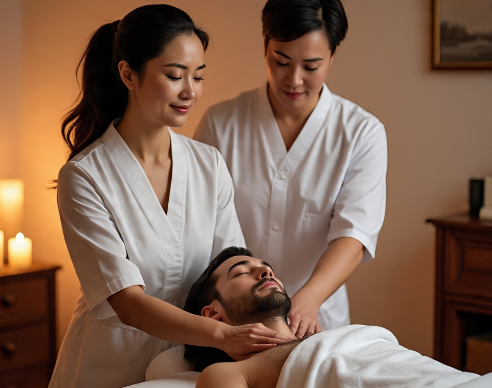
In the modern world, maintaining optimal physical health often requires more than just exercise and proper nutrition. Whether recovering from an injury, intense physical activity, or chronic strain, the body relies on natural healing processes to restore function, reduce discomfort, and prevent long-term complications. Massage therapy has emerged as a highly effective method for supporting these processes. https://www.vivigimassage.com/mapogu By enhancing circulation, reducing tension, promoting lymphatic drainage, and influencing the nervous system, massage therapy can accelerate recovery and help the body heal naturally.
This article explores the mechanisms through which massage supports natural healing, the benefits for various types of physical recovery, and practical ways to incorporate massage into a wellness or rehabilitation routine.
Understanding the Body’s Healing Mechanisms
The human body possesses an extraordinary ability to repair and restore itself. When tissues are damaged, the body initiates a series of processes designed to eliminate waste products, repair cells, and restore optimal function. Blood flow delivers oxygen and essential nutrients to tissues, while the lymphatic system removes metabolic waste and toxins. At the same time, the nervous system regulates pain perception and coordinates repair efforts.
While the body is inherently capable of healing, stress, injury, and physical overexertion can impede these processes. Muscle tension, restricted circulation, and inflammation can slow recovery and prolong discomfort. Massage therapy works in harmony with the body’s natural mechanisms, supporting and enhancing these healing processes to achieve faster and more complete recovery.
Improving Circulation for Faster Recovery
One of the key ways massage supports healing is by enhancing blood flow. Improved circulation delivers oxygen, nutrients, and immune cells to tissues that are repairing from injury or strain. At the same time, increased blood flow helps remove metabolic byproducts, such as lactic acid, that can accumulate during physical exertion and contribute to soreness or fatigue.
Techniques such as Swedish massage, kneading, and long gliding strokes effectively stimulate vascular flow throughout the body. Athletes, for example, often use massage therapy after training or competition to flush out waste products from muscles, accelerate tissue repair, and reduce soreness. Similarly, individuals recovering from minor injuries or post-surgical procedures benefit from improved circulation, which ensures that healing cells reach the affected area efficiently.
Reducing Muscle Tension and Scar Tissue
Muscle tension is a common barrier to natural recovery. Tight muscles restrict movement, compress blood vessels, and delay the repair of damaged tissue. Massage therapy loosens these muscles, restores flexibility, and encourages proper alignment, allowing the body to function optimally during the healing process.
Deep tissue massage and myofascial release are particularly effective in addressing chronic tension and stiffness. By applying targeted pressure to tight muscles and fascia, massage breaks down adhesions, increases tissue elasticity, and promotes the natural alignment of muscle fibers. This not only reduces discomfort but also allows the muscles to move and recover efficiently, which is essential for preventing further strain or injury.
Massage is also beneficial for scar tissue management. 신촌역 24시 출장마사지 After surgery or injury, scar tissue can limit mobility and cause discomfort. Techniques such as gentle stretching and soft tissue manipulation help remodel scar tissue, improving flexibility and functional movement while supporting the body’s natural repair mechanisms.
Supporting the Lymphatic System
The lymphatic system plays a critical role in natural healing. It is responsible for removing toxins, waste products, and excess fluid from tissues, all of which are essential for recovery. Massage therapy, particularly techniques such as lymphatic drainage massage, stimulates lymphatic flow and enhances the body’s ability to detoxify.
By reducing swelling and promoting the movement of lymph, massage helps the body maintain a healthy internal environment, which supports immune function and accelerates healing. This is particularly important after injuries or surgeries, where fluid accumulation and inflammation can impede recovery if not addressed effectively.
Reducing Inflammation
Inflammation is a natural response to injury or physical stress, but chronic or excessive inflammation can hinder recovery. Massage therapy helps regulate inflammatory responses by improving circulation, reducing stress hormones, and stimulating the release of anti-inflammatory compounds.
Through gentle manipulation and targeted pressure, massage promotes blood flow to affected areas, which not only delivers healing nutrients but also helps remove inflammatory molecules. By controlling inflammation, massage reduces swelling, alleviates pain, and accelerates the overall healing process.
Enhancing Nervous System Function
The nervous system plays a crucial role in recovery. Pain signals, muscle coordination, and the body’s stress response are all regulated by neural activity. Massage therapy positively influences the nervous system by activating the parasympathetic nervous system, the branch responsible for relaxation, digestion, and tissue repair.
When the parasympathetic system is engaged, heart rate slows, blood pressure decreases, and stress hormone levels drop. This creates a physiological environment conducive to natural healing, where energy is redirected from defensive “fight or flight” responses to repair and regeneration. Additionally, massage can desensitize nerve endings in areas of chronic pain or soreness, making movement more comfortable and encouraging active recovery.
Accelerating Recovery from Exercise
Massage therapy is particularly effective for individuals engaged in regular physical activity. Intense exercise causes microtears in muscle fibers, leading to soreness and temporary performance reduction. By improving circulation, releasing muscle tension, and supporting lymphatic drainage, massage accelerates the recovery process and prepares the body for subsequent training sessions.
Post-workout massage reduces the severity and duration of delayed onset muscle soreness (DOMS), enhances range of motion, and supports flexibility. These benefits not only improve physical performance but also reduce the risk of injury, allowing athletes and active individuals to maintain consistent training schedules.
Massage for Injury Rehabilitation
Injury recovery requires a careful balance between rest, rehabilitation exercises, and support for natural healing processes. Massage therapy complements rehabilitation by improving circulation, reducing swelling, and promoting muscle relaxation.
Targeted massage techniques can help restore mobility in joints affected by injury, release tension in surrounding muscles, and prevent the development of compensatory patterns that could lead to further issues. For example, after a sprained ankle, gentle massage to the surrounding tissues can reduce stiffness, improve blood flow, and support ligament and tendon recovery.
Massage also provides psychological benefits during rehabilitation. Recovery from injury can be frustrating and stressful, and massage helps alleviate anxiety and promote a positive mindset, which contributes to overall healing.
Practical Applications and Recommendations
For maximum benefit, massage therapy should be integrated into a structured recovery plan. Here are some practical recommendations:
- Consistency is Key: Regular sessions, whether weekly or biweekly, support ongoing recovery and long-term tissue health.
- Tailored Approach: Communicate with your massage therapist about specific recovery goals, injuries, or areas of tension to ensure techniques are customized effectively.
- Pre- and Post-Activity: Light massage before activity can warm muscles and prepare them for exertion, while post-activity massage supports recovery and reduces soreness.
- Combine with Other Therapies: Massage is most effective when combined with stretching, physical therapy, hydration, and proper nutrition to optimize healing outcomes.
- Monitor Feedback: Pay attention to your body’s responses to massage and adjust frequency and pressure accordingly for safe, effective recovery.
Complementary Benefits
In addition to accelerating physical healing, massage therapy supports emotional well-being and stress reduction, both of which are essential for recovery. By promoting relaxation, reducing anxiety, and improving sleep quality, massage creates an environment where the body can focus on repairing tissues and restoring balance.
The integration of massage into a holistic recovery program ensures that both the mind and body are supported during the healing process. This mind-body synergy enhances outcomes and encourages long-term health.
Conclusion
Massage therapy is a powerful ally in supporting natural healing and body recovery. Through its ability to enhance circulation, reduce muscle tension, stimulate the lymphatic system, control inflammation, and positively influence the nervous system, massage accelerates recovery from injuries, exercise, and daily physical stress.
Whether used for post-workout recovery, injury rehabilitation, or general tissue health, massage therapy promotes optimal conditions for the body to repair itself naturally. When combined with proper nutrition, hydration, rest, and exercise, it becomes an integral component of a holistic approach to wellness and recovery.
By investing in massage therapy, individuals not only alleviate discomfort but also enhance their body’s innate healing capabilities, reduce recovery time, and maintain long-term physical health. Its benefits extend beyond immediate relief, supporting flexibility, strength, emotional well-being, and overall resilience. In essence, massage therapy is a practical, evidence-based strategy that empowers the body to recover naturally and thrive.