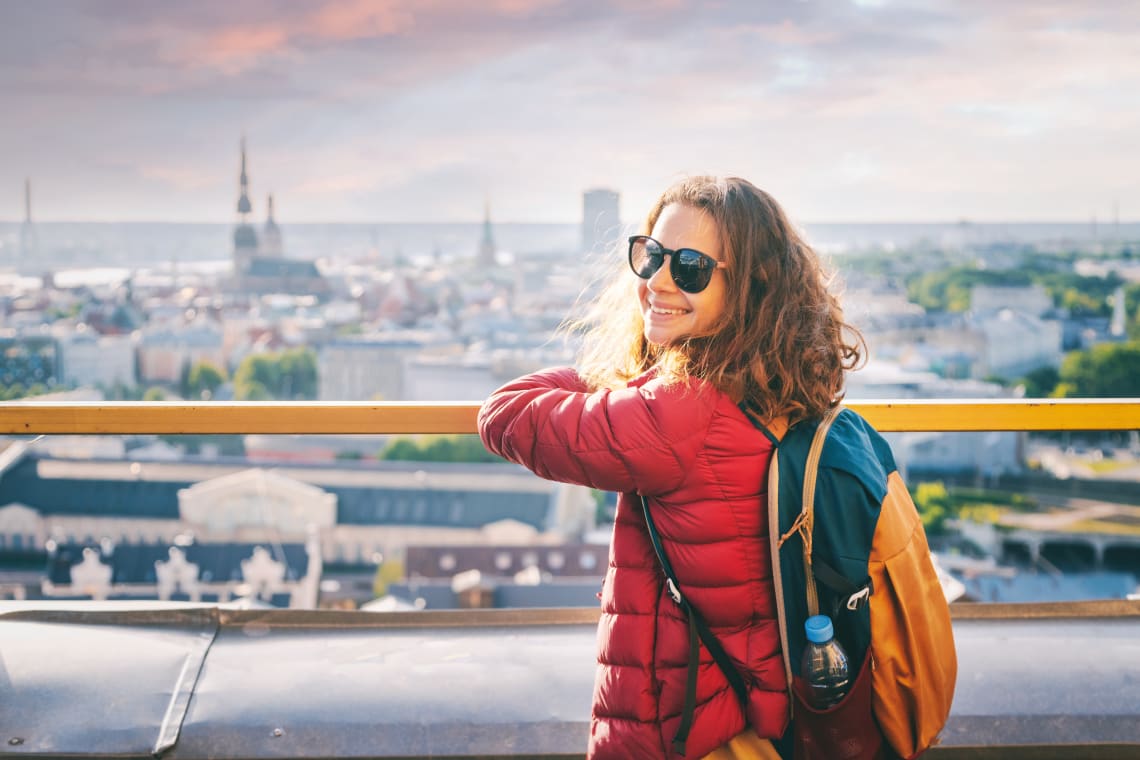
Visiting a new place for the first time can be an exciting experience filled with discovery, learning, and unforgettable memories. However, a successful trip requires more than simply choosing a destination and packing a bag. First-time visitors often face challenges such as understanding local customs, managing time, finding reliable information, and avoiding common mistakes. Whether you are traveling for leisure, business, or personal exploration, preparation can make your experience smoother and more enjoyable. Resources such as bro138 can also help visitors discover useful information while planning their journey. With the right approach, anyone can turn their first visit into a rewarding adventure.
Research Before You Arrive
One of the most important steps for first-time visitors is researching the destination before arrival. Learning about the location, weather conditions, transportation options, cultural practices, and popular attractions helps you feel more confident and prepared. A little research can prevent unnecessary stress and allow you to focus on enjoying the experience.
Start by understanding the basic details of your destination. Check the best time of year to visit, identify important locations, and learn about local rules or traditions. Some places may have specific customs regarding clothing, communication, photography, or public behavior. Respecting these differences shows appreciation for the local community and helps create positive interactions.
It is also useful to read reviews and recommendations from other travelers. Personal experiences can provide valuable insights that official guides may not mention. However, always compare information from different sources to avoid relying on outdated or inaccurate details.
Plan Your Schedule Wisely
Many first-time visitors make the mistake of trying to see everything in a short amount of time. While it is natural to want to explore as much as possible, an overloaded schedule can lead to exhaustion and reduce your enjoyment. A balanced plan allows you to experience important attractions while leaving room for unexpected discoveries.
Create a flexible itinerary that includes your main priorities. Identify places you do not want to miss, but avoid filling every hour with activities. Leave extra time for transportation delays, rest, meals, and spontaneous opportunities. Some of the best travel memories come from moments that were not part of the original plan.
Consider grouping activities based on location. Visiting nearby attractions on the same day saves time and reduces unnecessary travel. This approach helps you make better use of your visit while avoiding the frustration of constantly moving from one area to another.
Pack Smart and Travel Light
Packing is another area where first-time visitors often struggle. Bringing too many items can make travel inconvenient, while forgetting essentials can create problems. The goal is to pack what you need without carrying unnecessary weight.
Before packing, create a checklist based on the length of your trip and the activities you plan to do. Include essential documents, appropriate clothing, personal items, chargers, and any required medications. Consider the local climate and choose practical clothing that can be used in different situations.
Traveling with fewer belongings provides more freedom. A lighter bag makes transportation easier and reduces the risk of losing important items. If possible, choose versatile clothing and reusable items that can serve multiple purposes.
Understand Transportation Options
Getting around an unfamiliar place can be challenging, especially for first-time visitors. Before arriving, learn about available transportation methods such as public buses, trains, taxis, rental services, or walking routes.
Understanding transportation costs and schedules helps you avoid confusion. Many destinations offer affordable public transportation, but visitors may need to learn how payment systems work. Some cities use travel cards, mobile applications, or specific ticket systems that are different from what travelers may be familiar with.
Always keep important addresses and directions available. Having the name of your accommodation written down can be helpful if there is a language barrier or if your phone battery runs out. A little preparation can make transportation much easier.
Respect Local Culture and Traditions
Every destination has its own culture, values, and traditions. First-time visitors should take time to understand and respect the local way of life. Cultural awareness improves your experience and helps you connect more positively with residents.
Simple actions can make a big difference. Learning a few common words in the local language, following social etiquette, and showing patience during interactions demonstrate respect. Even small efforts are often appreciated by local communities.
Avoid assuming that your own habits are universal. Different places may have different expectations regarding food, greetings, personal space, or daily routines. Being open-minded allows you to learn and enjoy the uniqueness of your destination.
Manage Your Budget Carefully
Financial planning is essential for a stress-free visit. Many travelers underestimate small expenses, which can affect their overall experience. Before traveling, create a realistic budget that includes accommodation, transportation, food, activities, shopping, and emergency expenses.
Research typical prices in advance so you have a better understanding of what to expect. Keep track of your spending during the trip to avoid unexpected financial pressure. It is also wise to keep some backup funds available for emergencies.
Be careful with unfamiliar payment methods and exchange rates. Understand local currency values and avoid exchanging money through unreliable sources. Using secure payment options and protecting your financial information should always be a priority.
Stay Safe and Aware
Safety should always be considered when visiting a new place. Most trips are enjoyable and trouble-free, but being aware of your surroundings helps prevent common problems.
Keep important belongings secure, especially in crowded areas. Avoid displaying valuable items unnecessarily and be cautious when sharing personal information. Learn about areas that may require extra attention and follow local safety recommendations.
It is also helpful to keep copies of important documents such as identification, travel confirmations, and emergency contacts. Store them securely so you can access them if needed. Preparation provides peace of mind and allows you to enjoy your visit more fully.
Try Local Experiences
A great way to make a first visit memorable is by experiencing local life. Many travelers focus only on famous attractions and miss opportunities to understand the destination more deeply.
Explore local food, visit community areas, attend cultural events, and interact respectfully with residents. Authentic experiences often create stronger memories than simply taking photographs at popular locations.
Trying something new can also help you become more comfortable with unfamiliar environments. Whether it is tasting a traditional dish, learning about local history, or participating in a cultural activity, these moments add value to your journey.
Keep an Open Mind
Travel does not always go exactly as planned. Delays, unexpected changes, and unfamiliar situations are part of exploring a new place. First-time visitors should remain flexible and patient when things do not happen perfectly.
A positive attitude can transform challenges into valuable experiences. Instead of focusing only on problems, look for solutions and opportunities to learn. Many experienced travelers believe that the unexpected moments often become the most memorable parts of a trip.
Being open-minded also means accepting differences. Every destination has its own pace, traditions, and lifestyle. Appreciating these differences makes travel more meaningful and enjoyable.
Take Care of Your Health
Maintaining your health during travel is another important consideration. Changes in weather, food, activity levels, and daily routines can affect your well-being.
Drink enough water, get proper rest, and maintain healthy eating habits whenever possible. If you have specific health needs, prepare necessary supplies before leaving. Travel insurance and emergency planning can also provide additional protection during your journey.
Listen to your body and avoid pushing yourself too hard. Enjoying a destination is easier when you feel comfortable and energized.
Capture Memories Responsibly
Photos and videos are wonderful ways to remember your first visit, but it is important to enjoy the moment as well. Sometimes travelers become so focused on recording experiences that they forget to appreciate them.
Take pictures while also giving yourself time to observe, listen, and experience your surroundings. Respect privacy when photographing people and follow local rules regarding photography at certain locations.
Memories are created through experiences, conversations, and emotions, not only through images.
Final Thoughts
A first visit to any destination is an opportunity for learning, exploration, and personal growth. Good preparation, respectful behavior, smart planning, and a flexible mindset can greatly improve your experience. By researching your destination, managing your time and budget, staying aware of safety, and embracing local culture, you can create meaningful memories that last long after your journey ends.
Every traveler starts as a first-time visitor. The key is to approach new experiences with curiosity and confidence. With thoughtful preparation and a willingness to explore, your first adventure can become the beginning of many more exciting journeys.