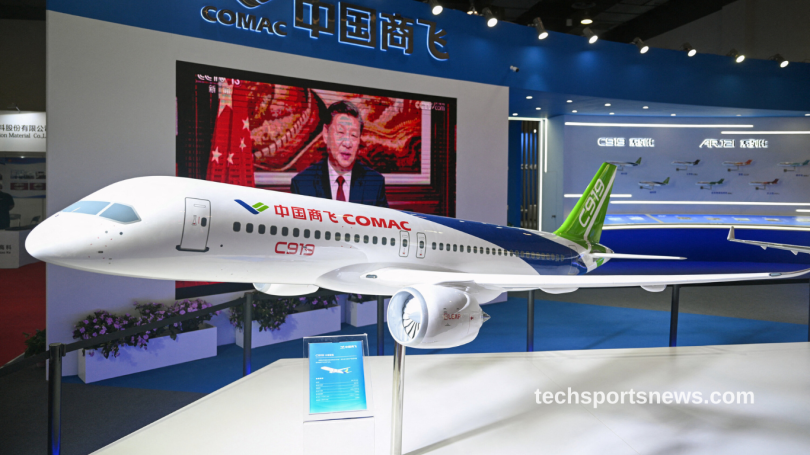
Recent developments in international trade policy have seen the United States taking a significant step by pausing the export of advanced airplane and semiconductor technology to China. This decision underscores growing concerns over national security, technological competitiveness, and geopolitical tensions between the two global powers. The export restrictions aim to slow down China’s access to critical technologies that can bolster its military and economic ambitions.
This move marks a crucial turning point in U.S.-China trade relations, highlighting the increasing scrutiny on sensitive technological transfers. The airplane and semiconductor sectors represent strategic industries where innovation drives economic growth and military capabilities. By restricting exports, the U.S. government seeks to maintain a competitive edge while safeguarding intellectual property and cutting-edge technological advantages.
The impact of this export pause extends beyond just trade, influencing global supply chains, international partnerships, and technological collaboration. Both countries, along with their trading partners, are expected to recalibrate their strategies in response to these changes, which could reshape the landscape of high-tech industries worldwide.
U.S. Export Controls Reflect Escalating Geopolitical Rivalry
The U.S. decision to halt exports of airplane and semiconductor technologies to China comes amid heightened geopolitical rivalry between Washington and Beijing. This rivalry has been fueled by concerns over technology theft, espionage, and China’s growing military modernization. Advanced airplane technology, including critical components and design know-how, has dual-use applications that can enhance China’s defense capabilities.
Semiconductors, the backbone of modern electronics, are at the heart of this trade restriction. These tiny chips power everything from consumer devices to sophisticated weapons systems. The U.S. government views the transfer of semiconductor technology as a potential threat if it accelerates China’s ability to produce high-end chips used in advanced military applications. The export controls represent a strategic move to curb China’s technological rise without resorting to full trade embargoes.
Furthermore, these measures reflect a broader shift in U.S. policy toward maintaining technological leadership in critical sectors. The Biden administration, continuing policies from previous administrations, emphasizes a “tech sovereignty” approach that protects domestic innovation while limiting adversaries’ access to sensitive technologies.
Impact on China’s Aviation Industry and Military Capabilities
China’s aviation industry stands to face significant challenges due to the U.S. export pause. The country has invested heavily in developing its commercial and military aircraft sectors, aiming to rival global aerospace leaders. Access to U.S.-origin airplane technology has been vital for improving design efficiency, safety standards, and performance.
Restrictions on airplane technology exports could slow China’s development of next-generation aircraft, potentially delaying commercial projects and military upgrades. Chinese companies may need to seek alternative suppliers or invest heavily in indigenous innovation, which could take years. This situation could disrupt China’s ambitions to become a dominant player in global aviation markets.
From a military perspective, the pause impedes China’s access to advanced aerospace components essential for modernizing its air force. The integration of cutting-edge airplane technologies contributes directly to enhanced maneuverability, stealth, and avionics capabilities. With the export restrictions in place, China may struggle to maintain the pace of its air force modernization efforts, affecting regional power balances.
Semiconductor Technology Restrictions and Global Supply Chains
Semiconductors are at the core of modern technology, making the U.S. decision to pause exports particularly impactful. China’s semiconductor industry has grown rapidly but still relies on imports of advanced chips and manufacturing equipment from the U.S. and allied countries. The export controls specifically target high-performance chips and semiconductor manufacturing tools that have military applications.
The restrictions create ripple effects in global supply chains, as many countries depend on Chinese demand for semiconductors. U.S. allies and partners may need to align their export policies, leading to a fragmented semiconductor market. This could slow innovation cycles and raise costs for manufacturers worldwide, influencing industries from consumer electronics to automotive production.
Chinese semiconductor companies might accelerate efforts to develop domestic alternatives, increasing government investment in research and manufacturing capacity. However, catching up with U.S. and South Korean technological standards is a formidable challenge. The export pause essentially forces China to rely more heavily on homegrown solutions, reshaping the global semiconductor ecosystem.
Economic and Diplomatic Repercussions of Export Controls
The U.S. export pause is likely to provoke significant economic and diplomatic responses. China may retaliate through similar restrictions or by targeting U.S. companies operating within its borders. This tit-for-tat dynamic risks escalating tensions and destabilizing trade relations between the world’s two largest economies.
The move also pressures multinational corporations that operate supply chains involving both countries. Companies might face increased compliance costs, delays, and uncertainties that complicate long-term planning. This environment could encourage some firms to diversify manufacturing locations or seek new partnerships to mitigate risks.
Diplomatically, the pause signals a toughened U.S. stance on technology transfers to China, reinforcing the message of strategic competition. It may also influence international negotiations on technology governance and export controls, encouraging other countries to review their policies in alignment with U.S. security concerns.
Technological Sovereignty and Innovation in the United States
The export restrictions align with a broader U.S. strategy emphasizing technological sovereignty. By controlling the flow of advanced technology, the U.S. aims to protect its innovation ecosystem from foreign exploitation. This includes safeguarding intellectual property, maintaining leadership in critical industries, and ensuring national security.
Innovation in sectors like aerospace and semiconductors is a key driver of economic growth and military strength. The U.S. government continues to invest in research and development to retain a competitive edge. Export controls serve as a complementary tool alongside increased funding, talent development, and partnerships between government, industry, and academia.
This policy framework encourages American companies to prioritize innovation within domestic borders, reducing vulnerabilities tied to global supply dependencies. It reflects a long-term vision to maintain technological superiority while managing competitive pressures from China and other rising powers.
Challenges and Opportunities for the Global Tech Ecosystem
The U.S. export pause presents both challenges and opportunities for the global technology ecosystem. Challenges include supply chain disruptions, increased costs, and regulatory complexities that may slow down product development and availability. Companies must navigate a shifting landscape of compliance requirements and geopolitical risks.
On the other hand, these challenges can spur innovation and diversification. Countries and firms may invest in new technologies, alternative suppliers, and resilient supply chains. Emerging semiconductor producers outside of China and the U.S. might gain market share, fostering a more multipolar technology landscape.
Collaboration among allied countries on export controls and technology standards could enhance global security and innovation ecosystems. However, balancing security concerns with open trade and cooperation remains a delicate task that policymakers and industry leaders must address carefully.
Frequently Asked Questions
Why has the U.S. paused exports of airplane and semiconductor technology to China?
The U.S. aims to protect national security and technological competitiveness by restricting China’s access to sensitive dual-use technologies that could enhance its military and economic power.
What types of airplane technology are affected by the export pause?
The restrictions target advanced components, design know-how, and aerospace materials critical for both commercial and military aircraft development.
How does this export pause affect China’s semiconductor industry?
China faces limits on importing advanced chips and manufacturing equipment, which slows progress in producing high-end semiconductors domestically.
Will this decision impact global supply chains?
Yes, it disrupts semiconductor and aerospace supply chains, affecting manufacturers and suppliers worldwide due to interdependence on Chinese markets and U.S. technology.
Could China retaliate against U.S. companies?
Potential retaliation through trade restrictions or regulatory actions is possible, escalating tensions and complicating bilateral trade relations.
How does this move fit into U.S. technology policy?
It aligns with U.S. goals of technological sovereignty, protecting intellectual property, and maintaining leadership in strategic industries.
What are the implications for U.S. innovation?
The policy encourages increased domestic R&D investment, talent development, and innovation to sustain technological superiority.
Are other countries expected to follow the U.S. lead?
Allied nations may align their export controls with U.S. policy to address shared security concerns, influencing global technology governance.
Conclusion
The U.S. pause on airplane and semiconductor technology exports to China represents a strategic move with wide-reaching implications. It underscores growing geopolitical tensions, influences global supply chains, and accelerates efforts to protect technological leadership. Both countries face significant challenges and opportunities as they navigate this complex landscape, reshaping the future of global technology and trade.