
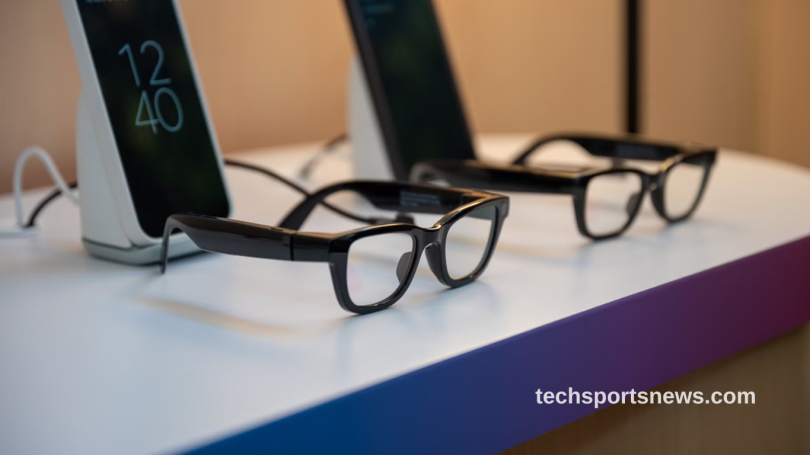
Google has taken a significant leap into the world of extended reality (XR) by unveiling its highly anticipated Android XR glasses. This cutting-edge wearable device represents a fusion of advanced technology and modern fashion, made possible through a strategic partnership with renowned eyewear brand Warby Parker. The announcement has stirred interest across both tech and fashion sectors, signaling a new era for augmented and virtual reality experiences.
In a bold move to reclaim its position in the AR market, Google is stepping forward with innovation that could redefine everyday digital interaction. The new Android XR glasses are designed to be both functionally powerful and aesthetically pleasing, aimed at tech enthusiasts and style-conscious consumers alike. Google’s collaboration with Warby Parker aims to resolve the common trade-off between tech functionality and fashionable appeal.
This development marks a crucial milestone in wearable technology evolution. As digital and physical worlds increasingly intertwine, XR devices are poised to become essential tools in work, learning, socialization, and beyond. The introduction of Android XR glasses represents a serious commitment by Google to lead this transformation while reshaping how consumers interact with immersive content.
Revolutionary Features Powering the Android XR Glasses
Google’s Android XR glasses are powered by a custom Snapdragon XR2 Gen 2 chip that ensures high-performance computing and seamless immersive experiences. These glasses support advanced AR and VR functionalities with real-time rendering and spatial awareness, allowing users to engage with digital environments in ways never before possible on mobile platforms.
The hardware is further enhanced with eye tracking, hand gesture recognition, and multi-sensory feedback. These features elevate the user interface, making interactions feel more natural and intuitive. Coupled with high-resolution micro-LED displays, the glasses promise crystal-clear visuals that maintain clarity in varying lighting conditions.
A Stylish Tech Statement with Warby Parker
Google’s collaboration with Warby Parker ensures that the Android XR glasses are not only functional but also fashion-forward. Known for its modern, minimalist frames, Warby Parker brings sleek design sensibilities to the project. Users can expect frames that complement diverse face shapes and personal styles without compromising on comfort.
The glasses will be available in multiple frame options and colors, some resembling traditional eyewear rather than clunky headsets. This design-forward approach aims to encourage daily usage among a broader demographic, especially those previously deterred by the awkward aesthetics of older AR devices.
Android Integration and Cross-Device Compatibility
Built on the Android XR platform, these glasses seamlessly integrate with existing Android devices, offering a cohesive ecosystem experience. Notifications, apps, and media can be mirrored or extended from a smartphone to the glasses, enabling multitasking and hands-free interaction.
Support for Google Assistant, Google Maps, YouTube, and productivity tools like Google Workspace enhances the glasses’ practical value. Whether navigating city streets or conducting virtual meetings, users gain utility far beyond entertainment or gaming.
Voice Control and AI-driven personalization
One of the standout features of the Android XR glasses is its robust voice command system, powered by Google’s latest AI models. Users can interact with their environment, conduct searches, or initiate tasks without touching a screen. Voice control is refined to understand natural language and contextual intent, making interactions smooth and efficient.
AI-driven personalization ensures that content, suggestions, and interfaces evolve based on user behavior. The glasses learn preferences over time, adjusting brightness and interface layout and even offering proactive notifications and insights tailored to individual needs.
Immersive Media and Entertainment on the Go
Google’s XR glasses offer a transformative way to consume media. Users can watch high-definition video content, play immersive games, or explore 3D environments with spatial audio support, creating a theater-like experience directly on their faces.
With direct integration of YouTube VR and Stadia-style cloud gaming, users get access to vast content libraries optimized for XR interaction. The mobility of this device turns any location into a dynamic media hub without the need for bulky equipment.
Enhanced Accessibility and Real-Time Translation
The Android XR glasses also prioritize accessibility features, making advanced technology available to a wider audience. Real-time speech-to-text captioning, visual aids for low-vision users, and gesture-based controls create an inclusive user experience.
A particularly powerful tool is real-time translation, where the glasses overlay subtitles or translated text during conversations in different languages. This feature is expected to revolutionize travel, international collaboration, and education.
Workplace and Enterprise Applications
These glasses are poised to revolutionize workplace productivity. From hands-free manuals for field workers to XR-based training modules for employees, the enterprise’s potential is immense. Google is working with partners to develop custom solutions tailored to industries like manufacturing, logistics, and healthcare.
With collaboration tools such as Google Meet available in immersive environments, remote teamwork becomes more engaging and efficient. The glasses also support enterprise-grade security features, ensuring that sensitive business data remains protected.
Battery Life, Charging, and Portability
The Android XR glasses come equipped with all-day battery performance thanks to energy-efficient hardware and intelligent power management. Users can expect 6–8 hours of continuous usage, with fast charging capabilities offering 50% battery in just 30 minutes.
The glasses ship with a compact wireless charging case, similar to high-end earbuds, enhancing portability. This feature allows users to conveniently store and recharge their devices while on the move.
Developer Ecosystem and App Support
Google has launched a dedicated Android XR SDK to empower developers to create apps and experiences tailored to the new platform. The SDK supports Unity and Unreal Engine integration, encouraging the development of next-gen XR applications.
Developers will have access to spatial APIs, gesture libraries, and cloud synchronization tools to build rich, responsive, and collaborative apps. Google Play will feature a dedicated section for XR content, making discovery and installation seamless.
Market Impact and Consumer Availability
With this launch, Google re-enters the AR race with a competitive edge. Analysts believe the Android XR glasses could reshape the XR landscape and push competitors to rethink their strategies. The collaboration with Warby Parker also positions the product as a lifestyle accessory, not just a gadget.
The glasses will be available in select markets by Q4 2025, with pre-orders opening through Google’s online store and Warby Parker’s retail outlets. Pricing is expected to range between $799 and $1,199, depending on frame style and tech configurations.
Frequently Asked Questions
What are Android XR glasses?
They are wearable smart glasses that combine augmented and virtual reality experiences using Google’s Android XR platform.
When will the Android XR glasses be released?
The product is set to launch in select markets in Q4 2025, with pre-orders beginning earlier.
What features do the XR glasses include?
Key features include voice control, eye tracking, AR/VR display, real-time translation, and Android integration.
Are these glasses suitable for everyday use?
Yes, thanks to Warby Parker’s stylish designs and Google’s practical tech, they are optimized for daily wear.
Will the glasses work with all Android phones?
They are compatible with most modern Android devices and offer ecosystem-wide integration.
Can the glasses be used for gaming?
Absolutely. They support immersive games through platforms like YouTube VR and cloud-based gaming services.
Are the glasses prescription-compatible?
Yes, select frame models will support prescription lenses customized through Warby Parker.
How long does the battery last?
The glasses offer 6–8 hours of active usage with fast charging features and a wireless charging case.
Conclusion
Google’s Android XR glasses, developed in partnership with Warby Parker, combine cutting-edge tech with style and comfort. With robust features like voice control, immersive media, enterprise applications, and real-time translation, they mark a significant step forward in wearable innovation. By blending fashion with function, Google sets a new benchmark for what extended reality can look and feel like in everyday life.


