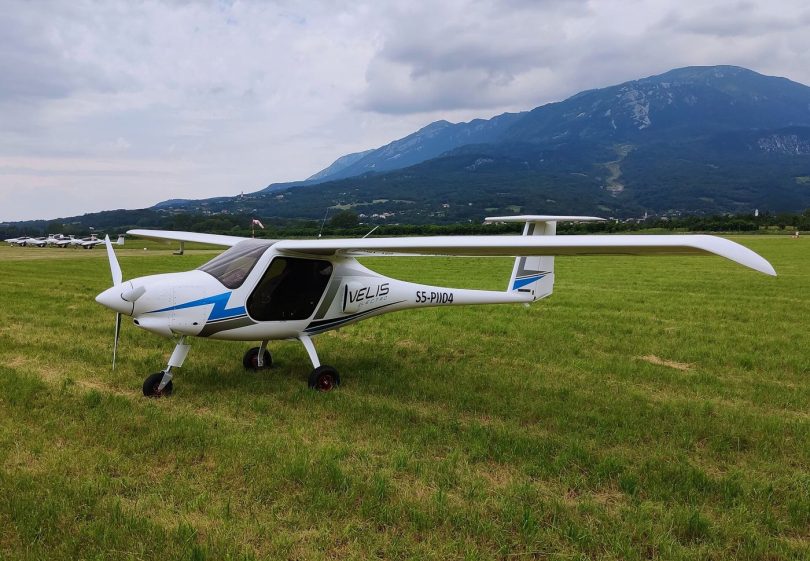
Aviation is one of the hardest industries to free from fossil fuels, yet the first electric aeroplanes are already flying. Small electric aircraft use batteries and motors instead of engines and fuel, and they are quiet, smooth and cheap to run, with far fewer moving parts to maintain. The first ones to enter service are carrying a handful of passengers on short routes, such as flights between islands or from a city to a nearby town, where the journey lasts less than an hour and the batteries can be recharged between trips. Training schools have embraced them too, since student pilots can practise take-offs and landings for a fraction of the cost of a petrol-powered trainer, and the quiet aircraft disturb neighbours far less.
What the Evidence Shows
The challenge for electric flight is weight. Batteries store far less energy per kilogram than jet fuel, so an electric aeroplane that could cross an ocean would need batteries so heavy it could never leave the ground. Engineers are working on lighter batteries, hybrid systems that pair a small engine with electric motors, and designs that use hydrogen fuel cells, which store more energy than batteries. Regulators are writing new safety rules for electric aircraft, and airports are adding charging points at small airfields. Large passenger jets are likely to keep burning fuel for years to come, but for short hops, island routes and pilot training, electric flight is already here, and its quiet hum may soon be a familiar sound above small airfields. Reporting and analysis from sources such as MIT Technology Review track the same developments, and specialists following the electric planes flying short routes say the direction is now consistent across independent lines of evidence.
The Wider Context
The wider context is an industry learning to ship capability and restraint together. Products built around the electric planes flying short routes now launch with safety evaluations, usage data and rollback plans as standard, because enterprise buyers and regulators ask for them in the first meeting. Companies that treated those questions as friction are discovering they have become the purchase criteria.
What Happens Next
What happens next for the electric planes flying short routes depends less on another breakthrough than on the unglamorous work of reliability, pricing and support. The buyers evaluating it now are not enthusiasts; they are operators with budgets and auditors, and their checklists will decide the timeline. On the evidence of the current pilots, the technology has earned the right to be judged by them. You can follow related developments in our coverage of technology.
There is a practical lesson in all of this for readers deciding what to do today. Start with the verified facts, be wary of anyone promising certainty, and prefer reversible steps while the evidence is still developing. Circumstances differ by country, income and personal situation, so general guidance should always be weighed against your own context before you act on it in any significant or lasting way.