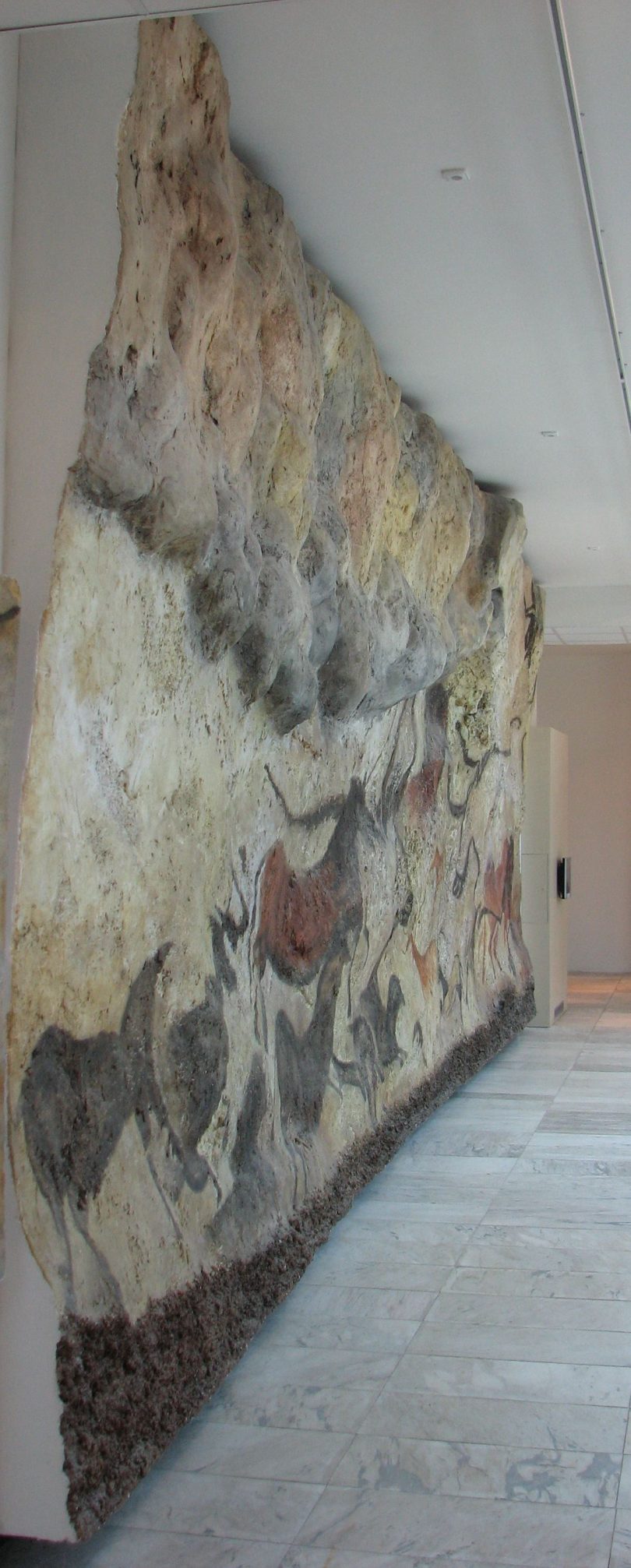
Deep inside caves in Indonesia and Spain, on walls that have not seen daylight for tens of thousands of years, are paintings of animals, hands and strange figures in red and black pigment. Some are at least 45,000 years old, older than the famous paintings of Lascaux in France, and they show that the urge to make art is far older than once thought. The artists blew pigment around their hands to leave stencils, and painted wild pigs, deer and human-like figures in scenes that may tell stories of hunting. The paintings were made by early modern humans, and perhaps by Neanderthals too, since recent dates from Spanish caves suggest some hand stencils may predate our species’ arrival in Europe. The caves protected the paintings from wind and rain, and the mineral crust that grew over them preserved the colours.
What the Evidence Shows
Dating the paintings took new techniques, because the pigment itself contains almost no carbon to date. Scientists instead date the thin layers of calcite that formed over the paintings, giving a minimum age for the art beneath. The results have rewritten the story of human creativity, showing that art did not begin in Europe but appeared in several places as humans spread across the world. Researchers are still debating what the paintings meant, whether they were stories, rituals, maps or simply decoration, and the caves themselves are fragile, threatened by tourists, microbes and the changing climate outside. Archaeologists now limit visitors and monitor the cave air, hoping the images that survived forty millennia will survive the next century. Reporting and analysis from sources such as Nature track the same developments, and specialists following the ancient cave paintings say the direction is now consistent across independent lines of evidence.
The Wider Context
The wider context is a research landscape in which replication and open data now decide reputations. Findings connected to the ancient cave paintings are being checked by independent groups with shared datasets, and the teams involved publish their methods in full so rivals can test every step. That discipline is slower than a headline cycle, but it is why results in this area increasingly survive first contact with scrutiny.
What Happens Next
What happens next in the story of the ancient cave paintings will be decided by follow-up work already under way: larger samples, longer observation and instruments that have not yet come online. The researchers involved are unusually united on one point, that the current results justify the next investment of time and money. Readers will not have to wait long for the first tests of that claim. You can follow related developments in our coverage of science.
None of this will be settled by a single announcement, study or product launch. The pattern to watch is accumulation: independent confirmations, honest reporting of failures and steady improvement in the underlying numbers. Readers who follow those signals, rather than the loudest claim of the week, will understand this subject better than most of the commentary surrounding it suggests is possible.