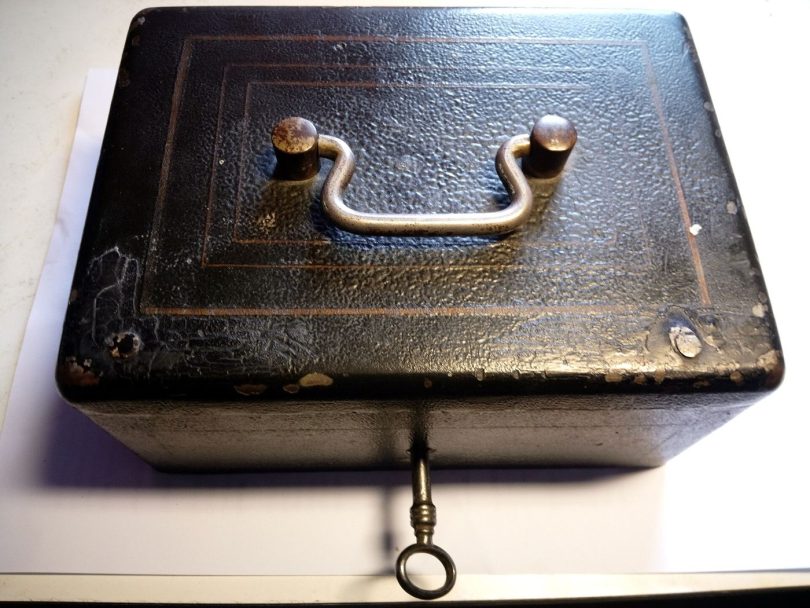
Many households are starting their festive planning earlier this year by setting aside a small, separate rainy-day pot before seasonal spending begins. The approach is deliberately simple: a modest amount moves into a different account on payday, before everyday costs have a chance to absorb it. Financial advisers often describe this kind of separation as helpful because money that is visibly earmarked for emergencies is less likely to be spent on impulse purchases. The pot is not meant to cover every possible setback at once. Instead, families aim first for a starter cushion that could handle a broken appliance, an urgent repair or a delayed payment, then build gradually from there. Keeping the target modest makes the habit easier to sustain during months when bills are already tight. Reviewing the pot monthly, even for a few minutes, helps families notice progress and stay motivated when other expenses compete for attention throughout the year.
What the Evidence Shows
Once the starter cushion is in place, households can review how quickly it grew and decide whether to raise the regular transfer slightly. Some people link the habit to a clear moment, such as payday or the day a benefit payment arrives, so saving happens automatically rather than relying on memory. Others keep a short note of what the fund is for, which helps when tempting offers appear. Advisers generally suggest keeping emergency savings somewhere accessible but separate, so the money is available when needed without being part of daily spending. Over time, the real benefit is confidence: a surprise bill becomes an inconvenience to manage, rather than a crisis that forces borrowing at short notice. Keeping the fund topped up after it has been used is just as important as building it the first time, so the household is not left unprotected afterwards. Reporting and analysis from sources such as International Monetary Fund track the same developments, and specialists following a household rainy-day savings pot say the direction is now consistent across independent lines of evidence.
The Wider Context
The wider context is a financial system repricing risk after a long era of cheap money. Decisions shaped by a household rainy-day savings pot are being made under closer supervisory attention, with stress tests and disclosure rules that assume conditions can worsen quickly. Institutions that planned for the benign case are adjusting in public, which is uncomfortable and healthy in equal measure.
What Happens Next
What happens next with a household rainy-day savings pot will be visible first in the data that professionals watch weekly: flows, spreads and the terms on new deals. Participants who spoke for this article expect a period of adjustment rather than drama, with the biggest effects landing on those who assumed the old conditions were permanent. Planning, as ever, is the cheapest hedge. You can follow related developments in our coverage of finance.
There is a practical lesson in all of this for readers deciding what to do today. Start with the verified facts, be wary of anyone promising certainty, and prefer reversible steps while the evidence is still developing. Circumstances differ by country, income and personal situation, so general guidance should always be weighed against your own context before you act on it in any significant or lasting way.